INTRODUCTION
Lesbian, gay, bisexual, trans, queer, asexual, pansexual, and other sexually dissident persons (LGBTQ+) are considered among the populations at the greatest risk of vulnerability to mental health problems (Tanni et al., 2024). Some argue this could be related to minority stress, the chronic stress faced by vulnerable populations due to belonging to a minority group, which can have significant repercussions on their physical and mental health (Meyer, 1995).
The main physical conditions studied in relation to minority stress are blood-borne infections, such as human immunodeficiency virus (HIV) and hepatitis C virus (HCV) (Miller et al., 2024), associated with condomless sex. However, other physical conditions associated with minority stress among these populations include chronic conditions such as high blood pressure (Flentje et al., 2020), hypertension (Caceres et al., 2022), obesity (Devlin et al., 2024), high cholesterol (Veale, 2023), and diabetes mellitus (Mereish & Goldstein, 2020). There is also evidence of an increased risk among LGBTQ+ persons of depression (Sakharkar & Friday, 2022), anxiety (Miller et al., 2024), substance use (Marshal et al., 2008), Post-traumatic stress disorder (PTSD) (Marchi et al., 2023), and other conditions. In Latin American contexts, such as Mexico, general population surveys have found that, compared to heteronormative persons, LGBTQ+ persons are more likely to report having had suicidal behavior associated with problems in familial or sexual-affective relationships (Instituto Nacional de Estadística y Geografía [INEGI], 2021).
The relationship between mental and physical health has been widely documented, with comorbidity between mental and physical conditions being associated with greater disability than the sum of their individual effects (Prince et al., 2007; Scott et al., 2009). Among LGBTQ+ populations, poor mental health, particularly depression and anxiety, co-occurs with a higher number of chronic physical conditions, including asthma, arthritis, cardiovascular disease, and chronic pain (Fredriksen-Goldsen et al., 2017; Lick et al., 2013). In Mexico, minority stress has been studied among college students, showing that LGBTQ+ persons and heterosexual students with same-gender attraction had higher odds of mental disorders than heterosexual students without same-gender attraction (Rentería et al., 2025; Rentería et al., 2021).
The minority stress model posits that stigma, prejudice, and discrimination create a hostile social environment that may be conducive to mental health problems (Meyer, 2003). Evidence suggests that this high stress also compromises physical health through biological mechanisms such as immune dysregulation, cardiovascular reactivity, and hormonal alterations (Flentje et al., 2020). Evidence-based treatments addressing mental health among LGBTQ+ populations include psychosocial interventions, that is nonpharmacological treatments focused on decreasing psychiatric symptoms and improving mental health protective factors (Barbui et al., 2020). Some of them address quality of life, social inclusion, and well-being. The latter is defined as the presence of positive emotions and moods, the absence of negative emotions, and a high level of life satisfaction, fulfillment, and positive functioning (Centers for Disease Control and Prevention [CDC], 2023). Previous studies have shown that psychosocial interventions may not only reduce psychological distress but also prevent or mitigate physical health deterioration in LGBTQ+ populations (Lick et al., 2013; Prince et al., 2007).
Several psychotherapeutic approaches have been used to address the mental health and well-being of LGBTQ+ persons. One of them is cognitive behavioral therapy (CBT), which works primarily with the thoughts, emotions, and behavior associated with the interpretation of certain situations to modify dysfunctional reactions (Beck & Fleming, 2021). The contribution of traditional CBT to improving health in the general population has been widely documented (Fordham et al., 2021). However, some authors posit that affirmative CBT (an approach whereby therapists provide care by promoting affirmative LGBTQ+ attitudes and engaging in or affirming challenges to power inequities) may be a more feasible option for treating mental disorders among LGBTQ+ persons (Moradi & Budge, 2018). This may be related to their focus on cultural humanity (that is, therapist awareness of their self-cultural background, prejudices/privileges, ensuring that they do not interfere with the conceptualization of cases and treatment goals) and addressing minority stress (Balsam et al., 2019; Craig et al., 2025).
The wealth of evidence of the increased risk among LGBTQ+ people of living with a mental health condition (Hoy-Ellis, 2023; Marshall & Cahill, 2022), makes it essential to analyze the interventions developed to improve their mental health. Previous systematic reviews to summarize the evidence of psychosocial interventions in addressing the mental health of LGBTQ+ persons (e.g., Bochicchio et al., 2022; Yu et al., 2022) focused primarily on MSM living with HIV or youth, including adolescents. Some have excluded excluded studies published in a language other than English studies or have not purposely searched for evidence in Latin American contexts, where homonegativity and machismo are embedded in certain cultures (Rosenberg et al., 2024). The present systematic review aimed to examine existing evidence of psychosocial interventions designed to improve mental health and well-being among LGBTQ+ adults.
Some studies have opted to distinguish mental health interventions for persons living with HIV from those without this diagnosis (e.g., Liu et al., 2023; Sun et al., 2020), The biomedical justification for this is that HIV-related neuroinflammation can alter neurotransmitter segregation, which, in turn, may increase the risk for depressive symptoms (Mudra Rakshasa-Loots, 2023). (Armoon et al., 2022; Turan et al., 2017). However, given that up to 30% of persons living with HIV remain undiagnosed (The Joint United Nations Programme on HIV/AIDS [UNAIDS], 2026), we decided to include studies regardless of participants’ HIV diagnosis.
METHOD
Study design
This systematic review adhered to the guidelines of the Preferred Reporting Items for Systematic Reviews and Meta-Analyses (PRISMA) (Moher et al., 2009).
Research question and inclusion/exclusion criteria
The review was guided by the following primary research question: “What psychosocial interventions have been developed or adapted to specifically improve the mental health and well-being of LGBTQ+ adults, and what are their reported outcomes in the scientific literature?” It also adhered to the Population, Intervention, Outcomes, and Study Design (PIOS) framework (Hosseini et al., 2024):
Population
Adult persons (aged 18 or over) identifying as part of the LGBTQ+ population, regardless of their HIV status.
Interventions
Psychosocial interventions (such as CBT, acceptance and commitment therapy [ACT], mindfulness, affirmative therapy, peer support groups, resilience training, life-skills training, harm reduction, and counseling).
Outcomes
Primary
Mental health indicators (such as anxiety, depression, suicidal ideation, minority stress, psychosis, PTSD, dysphoria, emotional dysregulation, problematic substance use, image discomfort, loneliness, internalized homonegativity, internalized transphobia, and racial rumination).
Secondary
Well-being indicators (such as happiness, quality of life, personal satisfaction, emotional regulation, life satisfaction, coping behavior, and psychological adaptation).
Study designs
Randomized controlled trials (RCT), pre-experimental studies/pilot intervention, quasi-experimental studies, cohort studies, secondary analyses of an intervention.
Studies were eligible if they (1) were an original research article published in a peer-reviewed journal, (2) psychosocial interventions with outcomes (i.e., we excluded study protocols), (3) aimed to improve mental health or wellbeing (such as quality of life, personal satisfaction, emotional regulation, and coping strategies), (4) reported disaggregated data on LGBTQ+ adults or focused only on LGBTQ+ population, (5) were written in English, Spanish, Portuguese or French, and (6) were indexed in PubMed, PsycInfo or Scielo.
Search strategy
We searched the databases of PubMed, PsycInfo, and Scielo (the latter to ensure coverage of Latin American and Caribbean scientific production), and scanned the references of potentially eligible studies. We searched all English, Spanish, Portuguese, and French studies and abstracts, and set no date limits. Each database was searched from its inception to its most recent update as of April 2026.
The search terms were PubMed: ("Psychosocial Intervention"[Mesh] OR "Psychotherapy"[Mesh]) AND ("Psychological Well-Being"[Mesh] OR "Happiness"[Mesh] OR "Quality of Life"[Mesh] OR "Personal Satisfaction"[Mesh] OR "emotional regulation"[MeSH Terms] OR Well-Being[tiab]) AND (Sexual and Gender Minorities[MeSH Terms]) NOT (adolescents[tiab] OR child[tiab]). PsycInfo: ((well-being or mental health or life satisfaction or coping behavior or quality of life or emotional regulation or happiness).sh. or personal satisfaction.ab,ti.) AND ((LGBTQ or transgender).sh. or (LGB* or gay or lesbian or bisexual or transgender or "gender dysphoria" or "men who have sex with other men" or MSM or "women who have sex with other women" or WSW or "sexual minority" or multigender or transwoman or trans woman or transwoman or transmen or trans men or trans-men or queer or pansexual or transgend* or transsex* or trans-gend* or trans-sex* or trans-person*).ab,ti.) AND (("psychosocial interventions" or psychotherapy or counseling or psychoeducation).sh. or (counseling or psychotherapy).mh. or (“psychosocial intervention*” or “psychological intervention*” or psychotherap* or psychoeducat* or counseling or behavioral therap* or behavioural therap*).ab,ti.) NOT child*.ti,ab. NOT adolescent.mh.. Scielo: (psychotherap* OR "psychosocial intervention" OR "psychological intervention" OR psicoterapia OR "intervención psicosocial" OR "intervención psicológica") AND ("well-being" OR "psychological well-being" OR "quality of life" OR bienestar OR "bienestar psicológico" OR "calidad de vida") AND (LGBT* OR "sexual minorit*" OR lesbian* OR gay OR bisexual* OR transgender* OR "minorías sexuales") NOT (adolescent* OR child*).
Selection of studies and data extraction
Three of the coauthors (LJR, EOL, and MIR) each searched one of the databases using a predefined protocol. The results were merged into a reference manager to organize and exclude duplicates. After the duplicates had been excluded, potential studies were divided into two lists and independently reviewed by two co-authors (LJR-EOL/ MIR-CR). Articles were first excluded by title and then by abstract. Full articles were subsequently analyzed to determine their eligibility for inclusion in the review. Discrepancies were discussed until a consensus was achieved.
Between April and May 2026, data were extracted using a standardized form requesting data on first author, publication year, country, sample size, intervention format (such as individual vs. group; in-person vs. online), study aims and design, type of psychosocial intervention, participant characteristics (such as mean age, sex/gender/sexual identity, and ethnicity), and key findings. Given the diversity of research methodologies and interventions, we extracted a range of summary measures when reported. In our search, we excluded systematic reviews (Bochicchio et al., 2022; Yu et al., 2022) although we analyzed the articles included in these reviews and incorporated those that met the inclusion criteria in this review.
RESULTS
Study selection and intervention characteristics
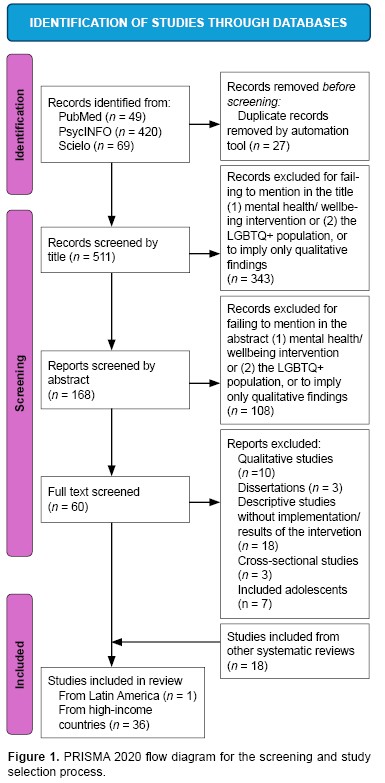
A total of 511 potential studies were identified, 343 of which were excluded by title, 108 by abstract, and 41 by inclusion criteria (Figure 1). Nineteen studies met the inclusion criteria, and 18 studies from other systematic reviews identified in our search were also incorporated. Thirty-seven articles were therefore included in this review (combined n = 3,858 participants; Table 1). All articles were written in English and published between 1998 and 2026. Most of the studies were conducted in the United States (n = 22) (Antoni et al., 2006; Antoni et al., 2000; Blashill et al., 2017; Carrico et al., 2006; Carrico, Antoni, Pereira, et al., 2005; Carrico, Antoni, Weaver, et al., 2005; Carrico et al., 2009; Chesney et al., 2003; Clements et al., 2021; Fobair et al., 2002; Ingraham et al., 2017; Jackson et al., 2022; Klimek et al., 2020; Lutgendorf et al., 1998; Noriega Esquives et al., 2026; Pachankis et al., 2015; Pachankis, McConocha, et al., 2020; Pachankis, Williams, et al., 2020; Rashkovsky et al., 2025; Riggle et al., 2014; Stevens et al., 2020; Williams et al., 2013) followed by China (n = 5) (Huang et al., 2024; Li et al., 2025; Yang et al., 2018; Ye et al., 2017; Zhang et al., 2019), Canada (n = 2) (Austin et al., 2018;Gayner et al., 2012), and Australia (n = 2) (Burgess et al., 2018; Millard et al., 2016). Five were conducted in other countries in Europe (Romania, Italy, Finland, France, and the Netherlands) (Amodeo et al., 2018; Lelutiu-Weinberger et al., 2025; Mannerström et al., 2026; Strika-Bruneau et al., 2024; Weiss et al., 2003) and only one was conducted in Latin America (Guatemala) (Barrington et al., 2023). The extent of the interventions ranged from 90 minutes (Clements et al., 2021; Pachankis, Williams, et al., 2020) to 15 months (Carrico et al., 2009). Regarding the format of the intervention, twenty-four were group-based, and thirteen were individual. Twenty-eight were conducted in-person, six online, and three had a mixed in-person/online format.
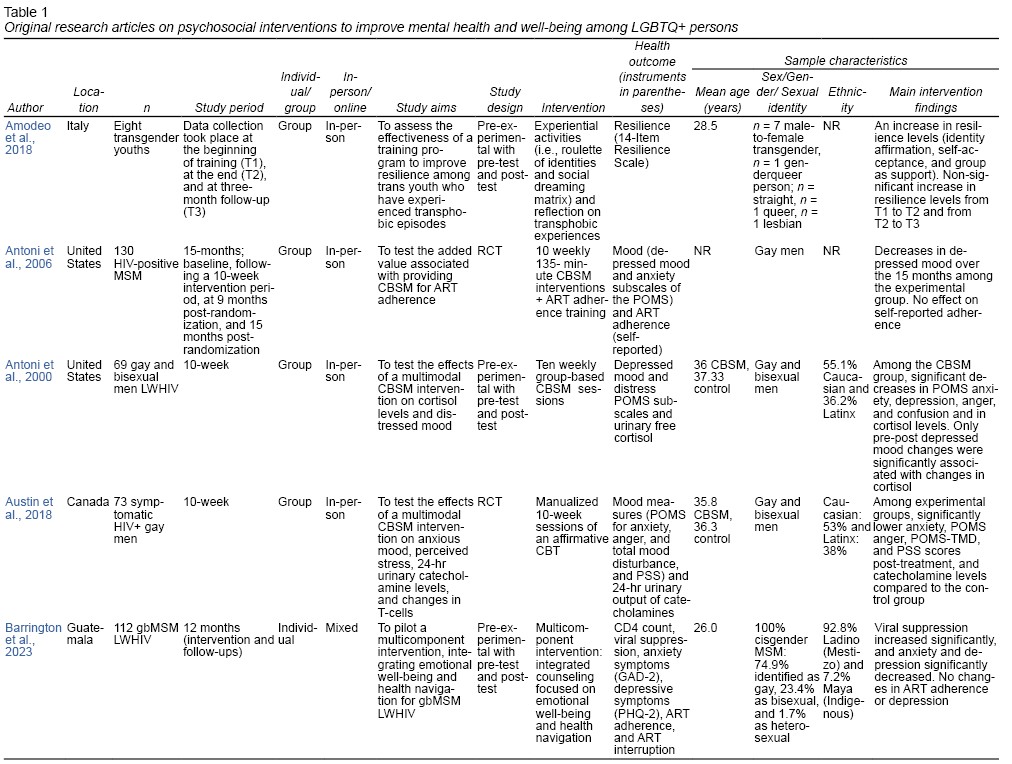
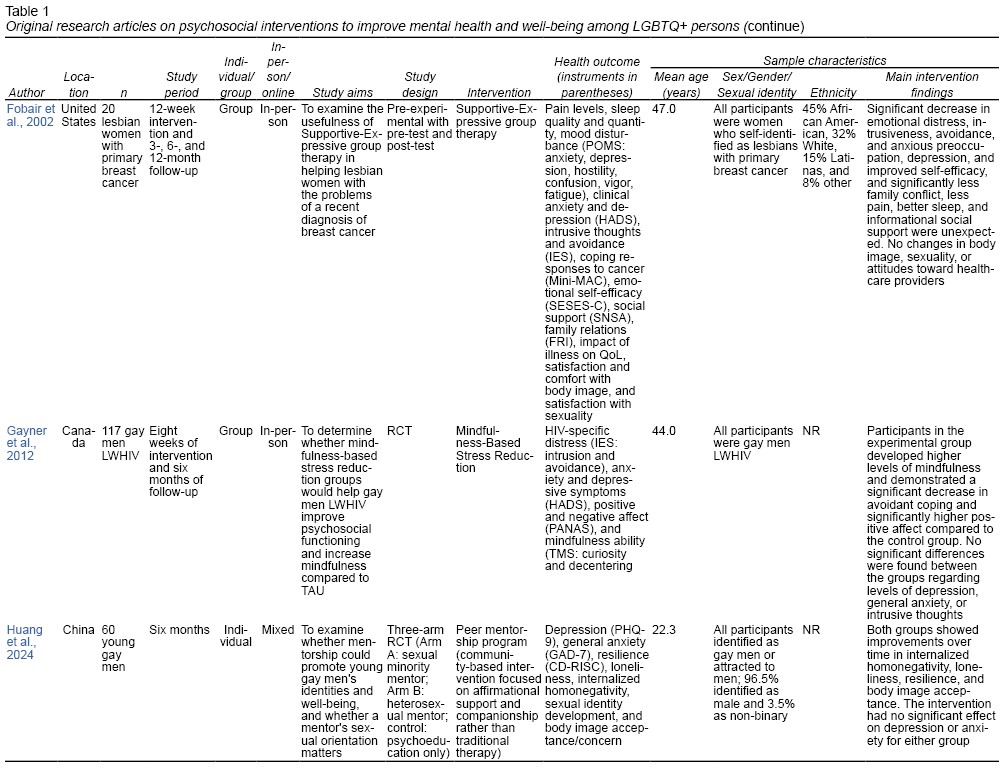
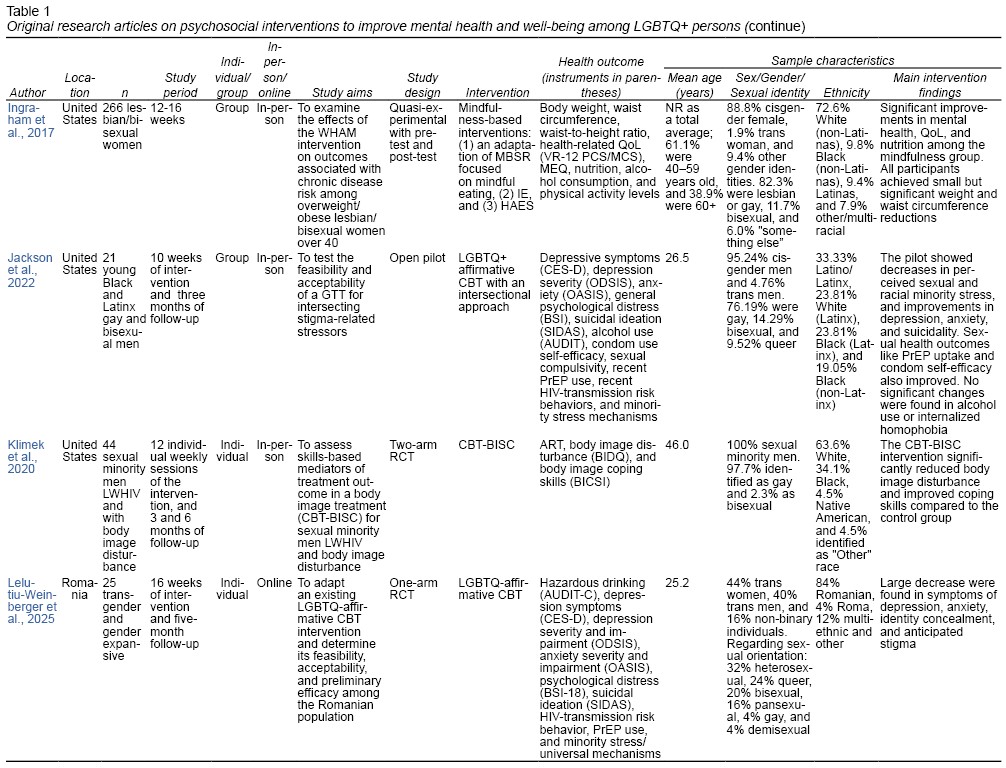
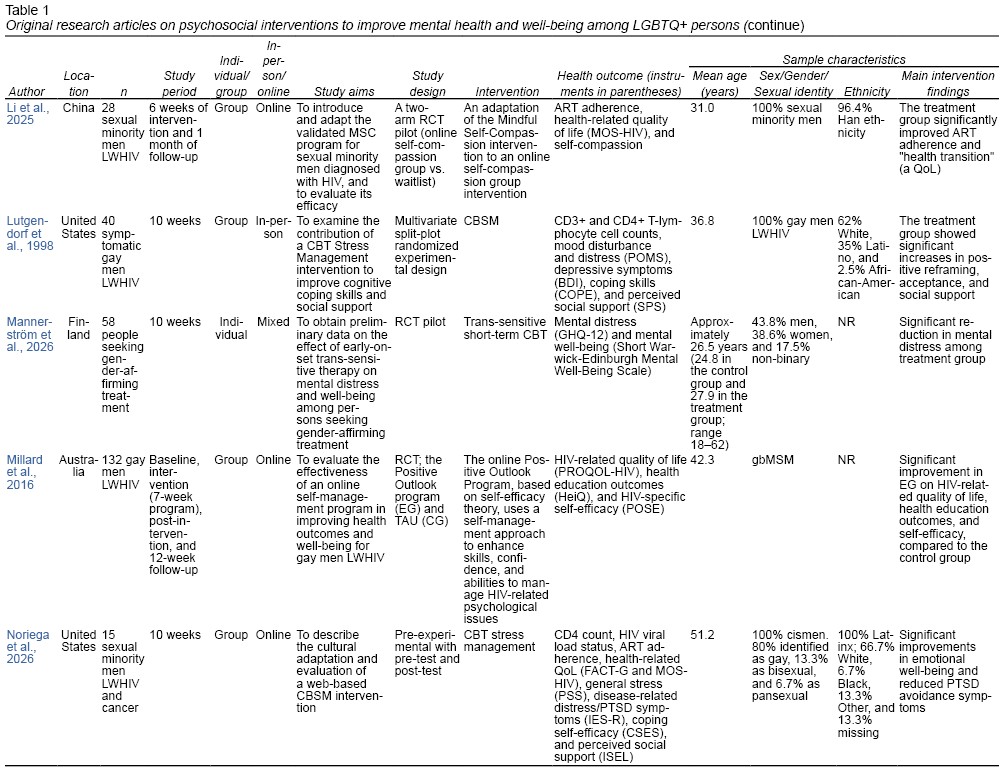
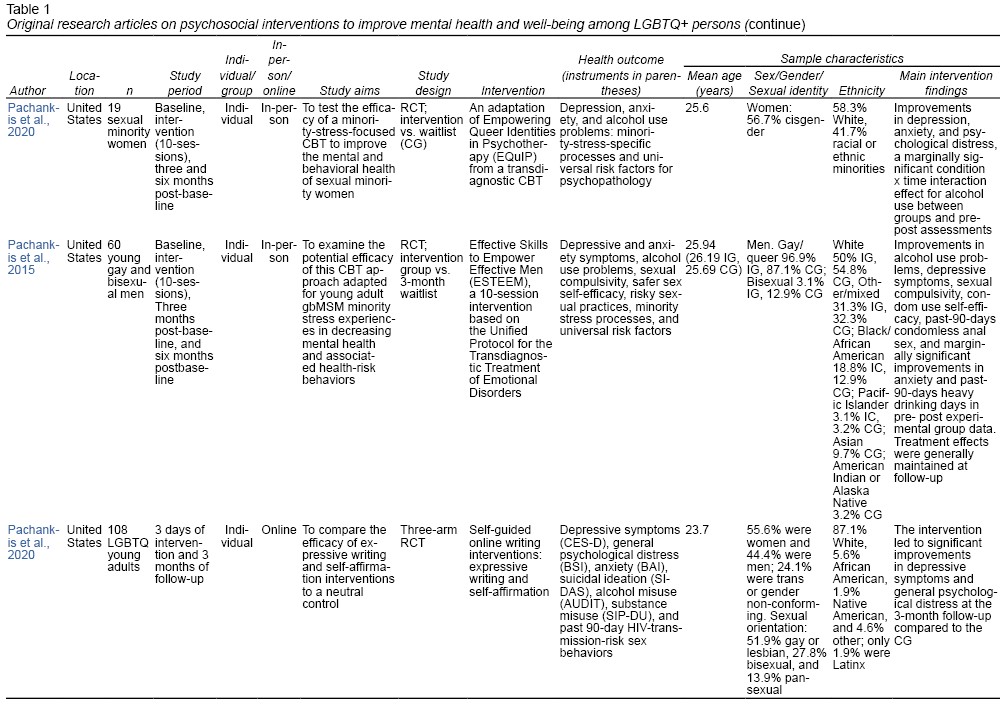
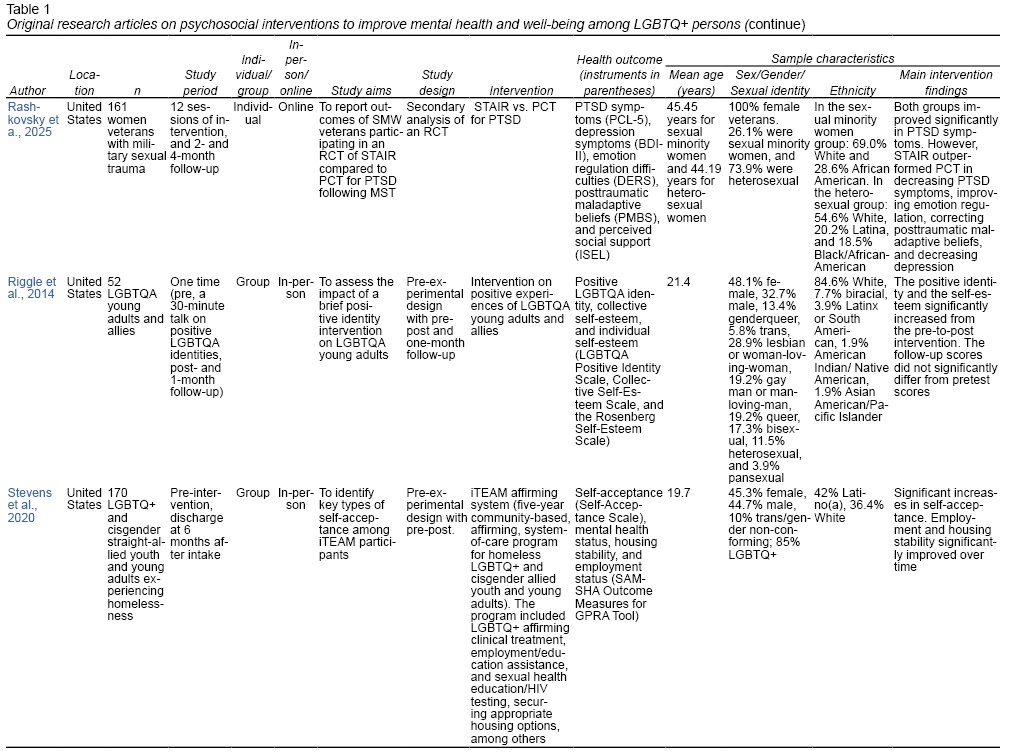
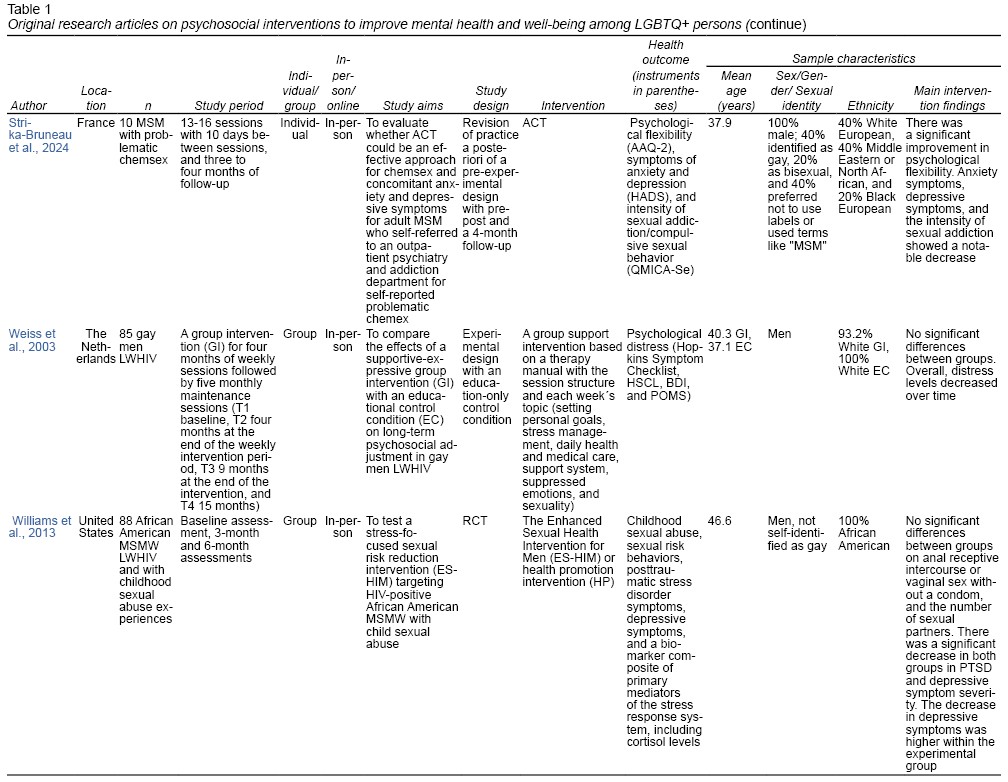
To assess the effect of the intervention on health outcomes, most of the studies (n = 21) used RCTs (Antoni et al., 2006; Austin et al., 2018; Blashill et al., 2017; Carrico et al., 2006; Carrico, Antoni, Pereira, et al., 2005; Carrico, Antoni, Weaver, et al., 2005; Carrico et al., 2009; Chesney et al., 2003; Gayner et al., 2012; Huang et al., 2024; Klimek et al., 2020; Lelutiu-Weinberger et al., 2025; Li et al., 2025; Mannerström et al., 2026; Millard et al., 2016; Pachankis et al., 2015; Pachankis, McConocha, et al., 2020; Pachankis, Williams, et al., 2020; Rashkovsky et al., 2025;Williams et al., 2013; Ye et al., 2017) and other experimental designs (n = 2) (such as multivariate split-plot randomized experiment and experimental with pre-post) (Lutgendorf et al., 1998; Weiss et al., 2003). Other designs were pre-experimental (one group) with pre-test and post-test (n = 9) (Amodeo et al., 2018; Antoni et al., 2000; Barrington et al., 2023; Burgess et al., 2018; Fobair et al., 2002; Noriega Esquives et al., 2026; Riggle et al., 2014; Stevens et al., 2020; Strika-Bruneau et al., 2024), quasi-experimental (n = 3) (Clements et al., 2021; Ingraham et al., 2016; Zhang et al., 2019) and pilot studies (n = 2) (Jackson et al., 2022; Yang et al., 2018).
All the studies aimed to identify the impact of the intervention on mental health distress symptoms and improvements in protective factors (such as social support, well-being, and quality of life). Fifteen interventions were designed to improve physical health among persons living with HIV (Antoni et al., 2006; Antoni et al., 2000; Barrington et al., 2023; Blashill et al., 2017; Carrico et al., 2006; Carrico, Antoni, Pereira, et al., 2005; Carrico, Antoni, Weaver, et al., 2005; Carrico et al., 2009; Klimek et al., 2020; Li et al., 2025; Lutgendorf et al., 1998; Millard et al., 2016; Noriega Esquives et al., 2026; Williams et al., 2013; Zhang et al., 2019), and two studies focused on other health variables (such as body weight and sleep quality) (Fobair et al., 2002; Ingraham et al., 2016).
Seven interventions addressed substance use (Burgess et al., 2018; Lelutiu-Weinberger et al., 2025; Pachankis et al., 2015; Pachankis, McConocha, et al., 2020; Pachankis, Williams, et al., 2020; Stevens et al., 2020; Strika-Bruneau et al., 2024). However, only one aimed to address using methamphetamine, mephedrone, and cathinones during sex to enhance sexual encounters (i.e., chemsex) (Strika-Bruneau et al., 2024). Additionally, some studies presented results on the feasibility, adaptation, and acceptability of the intervention (n = 12) (Austin et al., 2018; Barrington et al., 2023; Blashill et al., 2017; Gayner et al., 2012; Huang et al., 2024; Jackson et al., 2022; Lelutiu-Weinberger et al., 2025; Li et al., 2025; Mannerström et al., 2026; Noriega Esquives et al., 2026; Pachankis, McConocha, et al., 2020; Yang et al., 2018).
Regarding the psychosocial approach, most studies used CBT (n = 26). Some used traditional CBT (n = 6) (Carrico et al., 2009; Rashkovsky et al., 2025; Stevens et al., 2020; Williams et al., 2013; Yang et al., 2018; Ye et al., 2017) while others (n = 14) used a CBT variant. These included ACT, cognitive behavioral stress and self-management [CBSM], Cognitive Behavioral Therapy for Body Image and Self-Care [CBT-BISC]) (Antoni et al., 2006; Antoni et al., 2000; Barrington et al., 2023; Blashill et al., 2017; Carrico et al., 2006; Carrico, Antoni, Pereira, et al., 2005; Carrico, Antoni, Weaver, et al., 2005; Chesney et al., 2003; Klimek et al., 2020; Lutgendorf et al., 1998; Noriega Esquives et al., 2026; Pachankis, Williams, et al., 2020; Strika-Bruneau et al., 2024; Zhang et al., 2019). Six studies used the affirmative CBT approach (Austin et al., 2018; Jackson et al., 2022; Lelutiu-Weinberger et al., 2025; Mannerström et al., 2026; Pachankis et al., 2015; Pachankis, McConocha, et al., 2020). Other interventions were based on mindfulness (n = 3) (Gayner et al., 2012; Ingraham et al., 2017; Li et al., 2025), social community support (n = 5) (Amodeo et al., 2018; Burgess et al., 2018; Fobair et al., 2002; Huang et al., 2024; Weiss et al., 2003), or other integrative approaches (n = 3) (Clements et al., 2021; Millard et al., 2016; Riggle et al., 2014).
Regarding health outcomes, most studies measured at least one form of psychiatric distress (n = 35). Seventeen focused on decreasing depression and anxiety symptoms (Antoni et al., 2006; Antoni et al., 2000; Barrington et al., 2023; Carrico et al., 2009; Chesney et al., 2003; Fobair et al., 2002; Gayner et al., 2012; Huang et al., 2024; Jackson et al., 2022; Lelutiu-Weinberger et al., 2025; Lutgendorf et al., 1998; Pachankis et al., 2015; Pachankis, McConocha, et al., 2020; Pachankis, Williams, et al., 2020; Stevens et al., 2020; Strika-Bruneau et al., 2024; Weiss et al., 2003), nine only considered decreasing depressive symptoms (Austin et al., 2018; Blashill et al., 2017; Carrico et al., 2006; Carrico, Antoni, Pereira, et al., 2005; Carrico, Antoni, Weaver, et al., 2005; Klimek et al., 2020; Rashkovsky et al., 2025; Williams et al., 2013; Yang et al., 2018), while six focused on PTSD/ trauma (Fobair et al., 2002; Gayner et al., 2012; Noriega Esquives et al., 2026; Rashkovsky et al., 2025; Williams et al., 2013; Ye et al., 2017). The remaining studies (n = 3) focused on overall mental distress (Burgess et al., 2018; Mannerström et al., 2026; Millard et al., 2016).
Almost half the studies formally assessed quality of life and well-being (n = 16) (Barrington et al., 2023; Burgess et al., 2018; Chesney et al., 2003; Clements et al., 2021; Fobair et al., 2002; Gayner et al., 2012; Huang et al., 2024;Ingraham et al., 2016; Li et al., 2025; Lutgendorf et al., 1998; Mannerström et al., 2026; Millard et al., 2016; Noriega Esquives et al., 2026; Riggle et al., 2014; Yang et al., 2018; Zhang et al., 2019). Other common variables were sexual behavior/HIV-care (viral load, CD4 count) (n = 17) (e.g., Antoni et al., 2006; Blashill et al., 2017; Carrico et al., 2009), minority stress/coping process (n = 12) (e.g., Austin et al., 2018; Huang et al., 2024; Mannerström et al., 2026), and substance use (n = 9) (Burgess et al., 2018; Huang et al., 2024; Ingraham et al., 2016; Jackson et al., 2022; Lelutiu-Weinberger et al., 2025; Pachankis et al., 2015; Pachankis, McConocha, et al., 2020; Pachankis, Williams, et al., 2020; Strika-Bruneau et al., 2024).
Participant characteristics
The age of participants ranged from 18 years (Austin et al., 2018) to 70 years (Gayner et al., 2012). Twenty-eight studies focused on cis gay/bisexual men/men who have sex with men (gbMSM) (e.g., Barrington et al., 2023; Huang, 2024). Four studies included transgender/non-binary/non-conforming gender (Amodeo et al., 2018; Clements et al., 2021; Lelutiu-Weinberger et al., 2025; Mannerström et al., 2026), and another four focused mainly on cisgender lesbian, bisexual, and other women who have sex with women (Fobair et al., 2002; Ingraham et al., 2016; Pachankis, McConocha, et al., 2020; Rashkovsky et al., 2025). Regarding race/ethnicity, most of the studies (especially those conducted in the United States and Australia) included White (23.81% – 87.1%) (Jackson et al., 2022; Pachankis, Williams, et al., 2020), and Afrodescendant people (2.5% – 45%) ( Carrico et al., 2009; Fobair et al., 2002; Lutgendorf et al., 1998). A smaller proportion of studies —not specifically designed for Latin/Latinx persons— included a representative sample of this population (1.9%, 9.4%, and 20.2% respectively) (Ingraham et al., 2017; Pachankis, Williams, et al., 2020; Rashkovsky et al., 2025). Except for the Guatemalan study, just eight studies included a small proportion of native Indigenous populations (10.9%, 4.5%, and 5.56% respectively) (Austin et al., 2018; Blashill et al., 2017; Carrico, Antoni, Pereira, et al., 2005; Klimek et al., 2020; Pachankis, McConocha, et al., 2020; Pachankis, Williams, et al., 2020; Rashkovsky et al., 2025; Riggle et al., 2014).
Intervention characteristics
Approximately a third of the studies reported a decrease in depression and anxiety symptoms in participants (regardless of their HIV status) after the intervention (n = 14). Especially those who used using the CBT affirmative approach or a variant of traditional CBT (e.g., Barrington et al., 2023; Lelutiu-Weinberger et al., 2025; Mannerström et al., 2026; Noriega Esquives et al., 2026; Strika-Bruneau et al., 2024). CBT and person-centered therapies resulted in a significant decrease in PTSD symptoms (Noriega Esquives et al., 2026; Rashkovsky et al., 2025; Williams et al., 2013; Ye et al., 2017).
Nine studies reported a specific improvement in the well-being of participants (Barrington et al., 2023; Burgess et al., 2018; Chesney et al., 2003; Clements et al., 2021; Jackson et al., 2022; Li et al., 2025; Lutgendorf et al., 1998; Noriega Esquives et al., 2026; Zhang et al., 2019), with five achieving an improvement in the quality of life (Fobair et al., 2002; Ingraham et al., 2016; Lelutiu-Weinberger et al., 2025; Li et al., 2025; Zhang et al., 2019). Trans/non-binary persons reported a significant decrease in psychological distress after taking gender-sensitive therapies (Austin et al., 2018; Lelutiu-Weinberger et al., 2025; Mannerström et al., 2026). However, some mindfulness and self-guided writing interventions showed no significant differences compared with control groups regarding anxiety, substance use, and suicide ideation (Gayner et al., 2012; Pachankis, Williams, et al., 2020).
Interventions designed to improve sexual and physical health reported a wide range of results. Stress management and health navigation interventions proved effective in controlling HIV viral load yet did not affect HIV-treatment adherence (Antoni et al., 2006; Barrington et al., 2023). The intervention of Pachankis et al. (2015) achieved significant decreases in risky behaviors for acquiring sexually transmitted infections (such as inconsistent condom use) but did not affect minority stress levels or emotional regulation. Conversely, Williams et al. (2013) reported that their intervention significantly decreased depression and PTSD symptoms but had no effect on the frequency of inconsistent condom use or the number of sexual partners compared to the control group. Li et al. (2025) reported that their self-compassion intervention significantly improved HIV treatment adherence yet had no effect on most of the quality-of-life dimensions assessed (such as mental health summary scores and social functioning). Burgess et al. (2018) reported a small decrease in methamphetamine use and psychological distress symptoms yet failed to provide statistical data for all sub-outcomes. Overall, interventions with a CBT-affirmative approach, as well as those incorporating both psychosocial factors (such as depression, body image, and trauma) and health behaviors, showed a strong improvement in mental health and well-being (Blashill et al., 2017; Jackson et al., 2022; Pachankis et al., 2015; Stevens et al., 2020).
Regarding the format of the intervention, no significant differences were observed in outcomes comparing individuals vs. the individuals vs. group, and in-person vs. online. However, some formats may be better suited to producing specific behavioral changes. In other words, while most individual (online or in-person) interventions showed positive outcomes in decreasing depression and anxiety symptoms (Barrington et al., 2023; Lelutiu-Weinberger et al., 2025; Strika-Bruneau et al., 2024), most of the group in-person interventions showed feasibility indicators for improving social support, positive affect, and well-being ( Burgess et al., 2018; Gayner et al., 2012; Lutgendorf et al., 1998).
DISCUSSION AND CONCLUSION
This systematic review aimed to examine existing evidence of psychosocial interventions designed to improve mental health and well-being among LGBTQ+ adults. We found 37 independent interventions, most of which were CBT-based, all in English, mainly conducted in the United States and China, and lasting from 90 minutes to 15 months. About half were group-based and mostly conducted in person. Study designs were usually RCTs, and while all of them specifically focused on mental health and wellbeing, a few also included health-behavior outcomes related to substance use and sexual encounters. Most of the studies worked with gbMSM aged between 20 and 52 years, who were mostly White or Afrodescendant people.
CBT-affirmative-based interventions significantly decreased psychiatric symptoms and increased protective mental health factors (i.e., Barrington et al., 2023). Traditional CBT interventions and other approaches (such as mindfulness) achieved mixed results. These findings align with the minority stress model (Meyer, 2003), suggesting that interventions explicitly addressing stigma-related stressors and affirming marginalized identities may yield more consistent benefits than generic approaches. The effectiveness of CBT and third-generation therapies in improving mental health and well-being among LGBTQ+ persons has been widely documented in the international literature (Dunn et al., 2025; Tudor-Sfetea & Topciu, 2024). However, the affirmative approach may further contribute to these benefits through the management of minority stress and the inclusion of cultural humility. Therapist awareness of their self-cultural background and prejudices/privileges, ensuring that they do not interfere with the conceptualization of cases and treatment goals, are factors that enhance the result of interventions targeting LGBTQ+ persons (Balsam et al., 2019; Craig et al., 2025). This point is also supported by the optimal outcomes observed of gender-sensitive interventions with trans and non-binary persons (Lelutiu-Weinberger et al., 2025; Mannerström et al., 2026).
The effectiveness of CBT interventions did not differ between studies focused on LGBTQ+ persons living with HIV and studies with general LGBTQ+ samples. This is important because previous research has shown that HIV causes neuroinflammation, contributing to the emergence/persistence of mental health symptoms (such as depression), beyond the impact of stigma and other psychosocial factors (Del Guerra et al., 2013; Mudra Rakshasa-Loots, 2023). CBT interventions may help decrease the neurological effects of HIV.
Although the search included four languages, we only found research articles published in English. We purposely searched databases indexing articles written in languages other than English to expand our search. While designing the systematic review, we originally aimed to include a sub-analysis of Latin American interventions, since this is the geographic context of the authors and the research setting of interest. However, we only found one study of Guatemala (i.e., Barrington et al., 2023). This was unexpected, given the evidence of LGBTQ+ mental health problems reported by systematic reviews in the region (e.g., Bränström et al., 2024), as well as the research on sexual health among gbMSM and trans persons (Bardach et al., 2023; Jiménez-Rivagorza et al., 2024; Lozano-Verduzco et al., 2023). This gap is particularly concerning given the structural barriers in Latin America. Limited mental health research funding, persistent homonegativity, and the absence of national mental health surveillance systems disaggregating data by sexual orientation and gender identity, may perpetuate health inequities by invisibilizing the needs of LBGTQ+ populations (Rosenberg et al., 2024).
More psychosocial interventions addressing the mental health of LGBTQ+ persons in Latin America and the Caribbean must be conducted, because of the multiple intersecting stigmas to which this population is exposed compared with LGBTQ+ persons from high-income countries (Cyrus, 2017; Parra & Hastings, 2018). Regarding the lack of findings from other regions (such as Southwest Asia and Africa), it is important to consider the religious and legal situation of being openly LGBTQ+ in these areas. “Conversion therapies” also constitute a significant barrier to the design and monitoring of mental health intervention programs targeting sexually diverse populations.
In keeping with the minority stress model (Meyer, 1995), previous research has shown that LGBTQ-related stigma affects physical and sexual health (Devlin et al., 2024; Veale, 2023). This finding suggests that creating mental health interventions for LGBTQ+ persons would help address the rates of suicidal and psychiatric symptoms among this population (Bränström et al., 2024; Henry et al., 2021). It could also improve the rates of HIV, HCV, and other physical health issues in sexually diverse populations, particularly among trans women and cis gay men (Moradi et al., 2022; UNAIDS, 2026).
Although the studies addressing both mental and physical health showed overall positive trends, we found significant variations in their outcomes. Rather than a simple pattern, some interventions significantly decreased psychological distress but did not influence physical health (Antoni et al., 2006; Williams et al., 2013), or vice versa (Li et al., 2025). This heterogeneity suggests that the mechanisms linking psychosocial interventions to mental versus physical health may be partially distinct. Available mental health treatments for LGBTQ+ persons must continue to be monitored and modified so that care to one area of health does not lead to the neglect of another. Instead of assuming a one-size-fits-all approach, future research should systematically examine moderators, such as baseline symptom severity or minority stress levels, to identify who benefits from these interventions and under what conditions. As has been done to ensure that interventions meet the needs of specific populations (such as people with cancer) (Edsjö et al., 2023), profile-precision treatments could be a viable option for improving the mental and physical health of LGBTQ+ persons.
From a clinical perspective, our findings support the implementation of affirmative CBT as a first-line psychosocial intervention for LGBTQ+ adults in mental health services. Clinicians should prioritize three core components observed in effective intervention. These include psychoeducation on minority stress as a non-pathologizing framework for understanding distress, skills training to cope with stigma- related stressors, and active validation of sexual and gender identities within the therapeutic relationship. Interventions omitting these affirmative elements achieved null effects, suggesting that cultural adaptation is essential rather than optional. Mental health services in low- and middle-income countries, where no interventions have been published, could adapt these evidence-based protocols rather than developing novel approaches. Most of the analyzed evidence focused on gbMSM, with only four on other gender and sexually diverse persons and allies. The limited research that includes cis women and people with other gender identities (such as trans and non-binary) is problematic because it shows science has overlooked the needs of these populations. The current international funding environment must assert the need to work with sexually diverse populations, considering the ongoing underfunding of diversity studies in the United States.
Limitations
This systematic review has several limitations. The first is the risk of publication bias considering the specific interests of journals and the funding environment that prioritizes positive outcomes. This was observed in approximately ten of the excluded research articles, in which intervention protocols were presented, but whose authors did not subsequently publish the interventions’ outcomes. Second, some studies reported on the sociodemographic characteristics of sexual identity/orientation yet lacked disaggregated inferential analyses to identify the health outcomes of the sexual minority subsample. Third, although the search for full articles was performed in a large electronic library of a public university, approximately ten articles were not accessible to the authors.
CONCLUSIONS
Affirmative cognitive-behavioral interventions may be the most consistently effective psychosocial approaches for improving mental health and well-being among LGBTQ+ adults, highlighting the importance of addressing minority stress and affirming sexual and gender identities within treatment. The striking lack of intervention research, particularly in Latin America, the Caribbean, Africa, and parts of Asia, underscores a critical global gap. Future research is required to advance precision-based interventions to address the diverse needs and intersecting vulnerabilities and health conditions of sexually and gender-diverse communities.